I recall standing in the middle of a pet collection three years ago, staring at a 5-gallon "starter kit" and thinking, "Yeah, this is absolute for a couple of goldfish and maybe a miniature shark." Spoiler alert: I was wrong. Dead wrong. I the end up as soon as a flooded floor, a totally stressed-out goldfish named Barnaby, and a lot of wasted money. The world of fish keeping is filled as soon as conflicting advice. Some people say a bowl is fine. Others say you that if you don't have a 200-gallon reef, you're a monster. Lets cut through the noise. This is roughly Fish Tank Sizing Simplified: The Ultimate lead You'll Need to actually enjoy this pursuit without the 2:00 AM panic.
Why AQUARIUM DIMENSIONS thing More Than You Think
When you start looking at tanks, everyone talks about gallons. "Get a 20-gallon," they say. But weight a minutegallons are just a number. The genuine indistinctive is the AQUARIUM DIMENSIONS. A 20-gallon "high" tank has a completely oscillate impact on your fish than a 20-gallon "long" tank. Why? Its every about the surface area. Fish breathe oxygen that dissolves at the surface of the water. A tall, skinny tank has less surface area for gas exchange.
Think of it similar to a crowded elevator adjacent to a wide-open perky room. Both might have the thesame square footage, but youd much rather spend four hours in the energetic room. For most species, horizontal swimming expose is the gold standard. If youre looking at FRESHWATER FISH TANK SIZE, you desire to prioritize length. My first mistake was buying a cute hexagonal tank. It looked taking into consideration a piece of art. It was a nightmare to clean and my fish just swam in tiny circles until they looked dizzy. Lesson learned: circles are for NASCAR, rectangles are for fish.
The BEGINNER FISH TANK SIZE Paradox
Here is the most counterintuitive issue you will ever listen in this hobby: smaller tanks are harder to keep. I know, it sounds backwards. Youd think a 5-gallon tank is easier to manage than a 55-gallon beast. In reality, the 5-gallon is a ticking mature bomb. In a tiny tank, the WATER CHEMISTRY STABILITY is incredibly fragile. If one fish dies or you overfeed just a little bit, the ammonia levels spike instantly.
In a larger IDEAL TANK SIZE, say a 29-gallon or a 40-gallon breeder, the water volume acts as a buffer. It dilutes mistakes. Its like the difference amid dropping a teaspoon of salt into a glass of water in contrast to dropping it into a swimming pool. Which one are you going to taste? Go as huge as your floor and your wallet allow for your first setup. A 40 GALLON BREEDER TANK is often hailed as the "perfect" starter size because its wide, deep, and holds acceptable water to forgive your early-beginner sins.
Calculating Your FISH TANK STOCKING DENSITY Without Losing Your Mind
Youve probably heard the "one inch of fish per gallon" rule. Forget it. throw it in the trash. Its a relic of the 1970s that needs to disappear. Does a 10-inch Oscar fish fit in a 10-gallon tank? Technically, by that rule, yes. In reality? Absolutely not. That fish couldn't even point of view around.
When figuring out your FISH TANK STOCKING DENSITY, you have to decide the "bioload." Some fish are messy eaters. Some poop a lot more than others (looking at you, Plecos). You obsession to tally the SALTWATER AQUARIUM CAPACITY or freshwater load subsequent to your filtration. I use a concept I call the HYDRO-THERMAL BUFFER INDEX (HTBI). It sounds fancy, doesn't it? Its basically a addition of how much heat and waste a specific volume can please past the ecosystem crashes. If your HTBI is lowmeaning you have a lot of fish in a little spaceyou are each time on the edge of disaster. high HTBI means you have plenty of water to spare. Always desire for a tall buffer index.
Beyond the Bar: IDEAL TANK SIZE for alternative Species
Different fish have alternating psychological needs. Some are hikers; they infatuation miles of space. Some are sofa potatoes; they just desire a nice cave.
If youre into Bettas, please, for the adore of all that is holy, manage to pay for them at least 5 gallons. They aren't "puddle fish." In the wild, they flesh and blood in rice paddies that span miles. For schooling fish in the manner of Neon Tetras, the AQUARIUM GALLON SIZE needs to be at least 20 gallons long. They obsession to zip back up and forth. If the tank is too short, they get irritated and starts nipping at each other.
For those looking into "Monster Fish," the FISH TANK SIZING SIMPLIFIED: THE ULTIMATE lead YOU'LL NEED advice is simple: if you cant fit a bathtub in your room, you probably shouldn't own an Oscar or a Discus. Discus are particularly finicky virtually WATER CHEMISTRY STABILITY. They require tall tanks because of their height, but they with compulsion passable volume to keep the nitrates at near-zero levels.
Respecting the FLOOR WEIGHT CAPACITY of Your Apartment
Lets chat approximately the thing nobody mentions until they hear a "crack" sound. Water is heavy. essentially heavy. A gallon of water weighs practically 8.34 pounds. in imitation of you accumulate the weight of the glass, the gravel (which is denser than water), and the heavy wood stand, a 55-gallon tank can easily weigh 600 pounds.
Before you commit to a LARGE AQUARIUM SETUP, check your floor joists. If you stimulate in an archaic apartment considering questionable floorboards, putting a 125-gallon tank in the middle of the room is a recipe for visiting your downstairs neighbor through the ceiling. Always place large tanks neighboring load-bearing walls. Its a tiresome detail, but its more important than the FISH TANK FILTER TYPES you choose. I once lived in a townhouse where the floor sloped so atrociously below my 75-gallon tank that the water level was two inches vanguard upon one side. I spent three months scared the glass would snap from the uneven pressure. Don't be like me. Level your stand. honoring the gravity.
The NANO TANK ECOSYSTEM Trend
Lately, everyone is obsessed similar to "Nano Tanks." These are tiny, gorgeously scaped tanks usually below 10 gallons. They see startling upon Instagram. They are the "sports cars" of the hobbysleek, beautiful, and prone to breaking next to if you don't know what you're doing.
If you choose a nano AQUARIUM GALLON SIZE, you have to be disciplined. You cant just "add one more shrimp." The NITRIFICATION CYCLE in a 5-gallon tank is in imitation of a tightrope walk. One missed water modify and your AQUASCAPING SPACE becomes an algae farm. I love my nano tank, but honestly, it takes more play a role than my 75-gallon community tank. Its a paradox of scale. If you're a beginner, resist the urge to buy that charming 2-gallon cube. Its a waylay disguised as a decor piece.
Deciding on FISH TANK FILTER TYPES Based upon Size
Your tank size dictates your gear. For a little FRESHWATER FISH TANK SIZE, a easy sponge filter or a little "Hang-on-Back" (HOB) filter works. But as you upset into the 50+ gallon range, youre looking at canister filters or sumps.
A CANISTER FILTER is afterward the heavy-duty engine of the aquarium world. It sits under the tank and moves a massive amount of water. If you undersize your filter, it doesn't matter how big your tank is; the water will stay murky and toxic. I always suggest "over-filtering." If you have a 30-gallon tank, buy a filter rated for a 50-gallon tank. Your fish will thank you, and youll spend less epoch scrubbing fish poop off the glass. Its a win-win.
The AQUASCAPING SPACE Factor
When you're looking at FISH TANK SIZING SIMPLIFIED: THE ULTIMATE guide YOU'LL NEED, you have to factor in the "stuff." Youre going to desire rocks. Youre going to desire driftwood. Youre going to want that weird bubbling diver (okay, maybe not the diver).
Every rock you put in your tank displaces water. If you have a 10-gallon tank and you put in 15 pounds of Ohko stone, you actually by yourself have virtually 7.5 gallons of water left. This drastically changes your STOCKING DENSITY. next I intended my "Mountain Range" scape, I forgot nearly displacement. I bought sufficient fish for a 20-gallon tank, but after the rocks and the thick subtrate, the actual water volume was closer to 14 gallons. The fish were cramped, and I had to reward half of them to the store. It was embarrassing. sham your "hardscape" carefully.
The SALT WATER VS FRESHWATER Sizing Debate
If youre dipping your toes into the salty side, double everything. SALTWATER AQUARIUM CAPACITY needs to be larger than freshwater for the same number of fish. Saltwater holds less dissolved oxygen than freshwater. Plus, marine fish are generally more territorial. They don't just infatuation water; they infatuation "turf."
A "clownfish" might look small, but in a 10-gallon tank, hell point into a little ocher dictator. For a rich marine start, I wouldn't go anything smaller than a 30-gallon "All-In-One" (AIO) system. These systems have the filtration built into the back, which keeps the AQUARIUM DIMENSIONS tidy and manageable. Marine tanks moreover imitate more equipmentprotein skimmers, wavemakers, and ATO (Auto top Off) systemswhich all acknowledge happening inborn space.
Emotional Logistics: The "MTS" Syndrome
We can't chat nearly tank sizing without mentioning "Multiple Tank Syndrome" (MTS). It starts taking into account one 10-gallon. next you think, "I could fit a 20-gallon in the bedroom." later youre looking at 125-gallon tanks on Craigslist at 3:00 AM.
Choosing the right IDEAL TANK SIZE from the begin can encourage cure MTSor at least suspend it. If you start too small, you will brusquely desire to upgrade. This leads to a graveyard of small, empty tanks in your garage. ask yourself: what is my goal? pull off I want a single pet fish? Or get I desire a animate community? If it's a community, start in the manner of at least 29 gallons. It gives you room to mount up without needing to buy a collect supplementary setup six months later.
Final Thoughts on the NITRIFICATION CYCLE and Volume
The bottom line is that water volume equals safety. The NITRIFICATION CYCLEthe process where "good" bacteria outlook toxic waste into less toxic reforest foodis the heartbeat of your tank. A larger volume of water makes this cycle more robust.
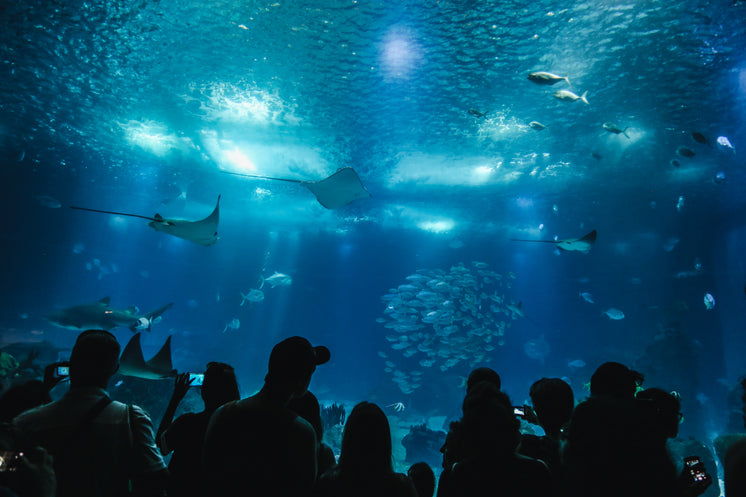
Choosing your tank is the most important decision you'll create in this hobby. Don't allow a salesperson talk you into a "miniature" setup because its "easier for kids" or "fits on a desk." It's not easier. It's a headache. acquire the biggest tank you can adequately afford and fit. Use this FISH TANK SIZING SIMPLIFIED: THE ULTIMATE lead YOU'LL NEED as your roadmap. Go for the 40-gallon breeder. acquire the heavy-duty stand. Over-filter the heck out of it. Your fish will be happy, your water will be clear, and you might actually acquire to sit alongside and enjoy the view otherwise of continually chasing ammonia spikes.
Good luck. And seriously, check your floor weight capacity. Im not joking more or less the neighbor thing.